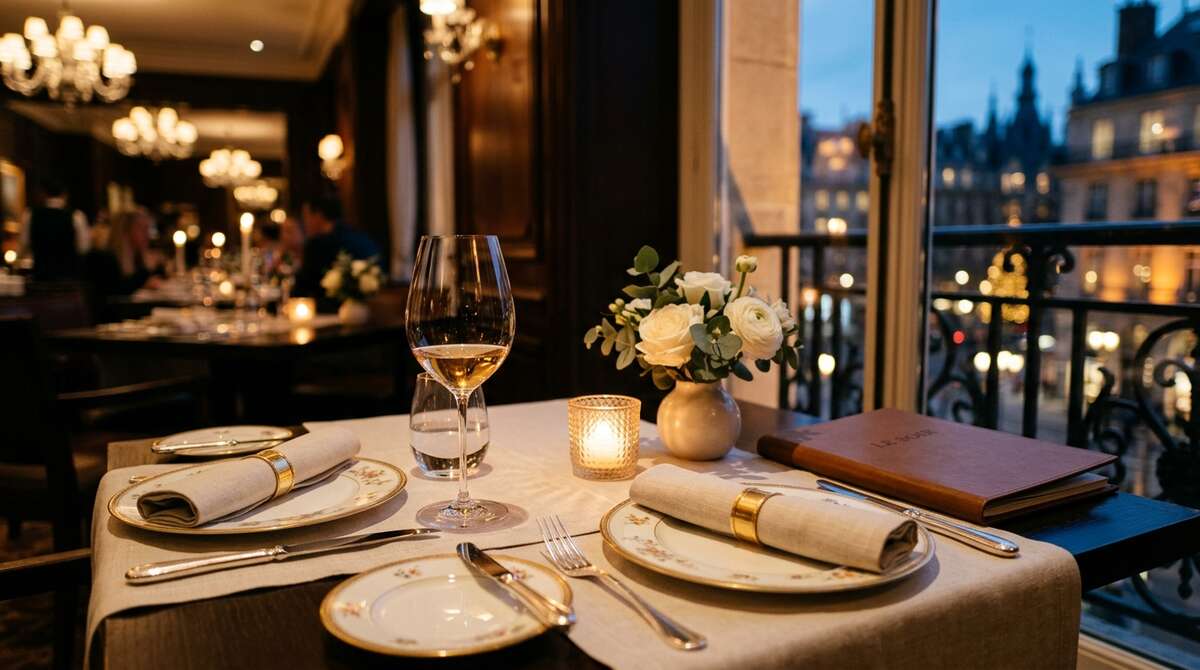
Hospitality websites have an unusual job. They need to create desire while helping people make decisions quickly.
A striking photograph of an oceanfront dining room, boutique hotel or destination can establish an emotional connection in seconds. But beautiful imagery alone does not help a guest find tonight's hours, view a menu, make a reservation, understand parking, explore accommodations or decide whether a property is right for them.
The strongest hospitality websites do both. They create a sense of place while making the path from interest to action remarkably simple.
Beauty Gets Attention. Usability Gets the Reservation.
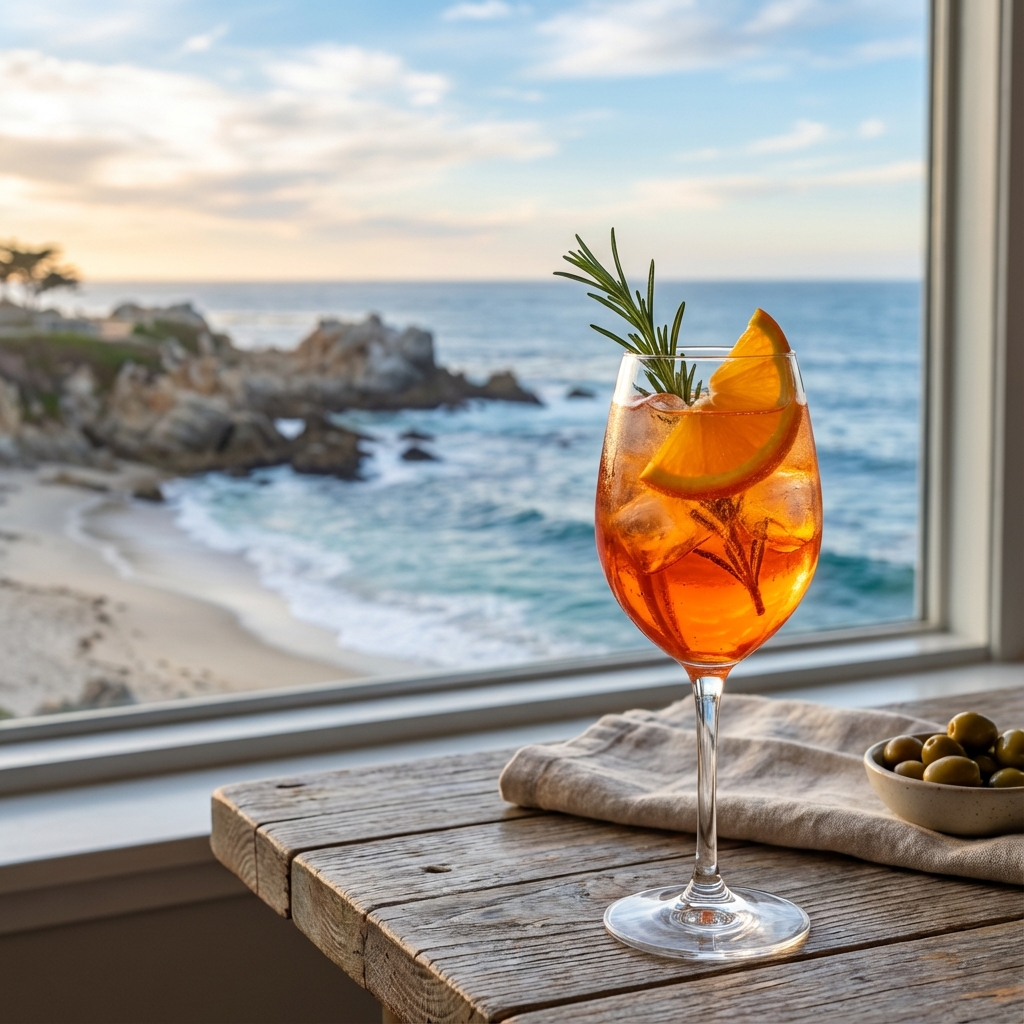
Hospitality is inherently visual. Photography, video, typography, color and motion can communicate an experience long before a guest arrives.
But we've also seen how easily presentation can get in the way of usability. Navigation becomes overly minimal. Important information gets buried behind animation. Menus require unnecessary clicks. Reservation buttons disappear once visitors move beyond the homepage.
A guest should never have to work to become a customer.
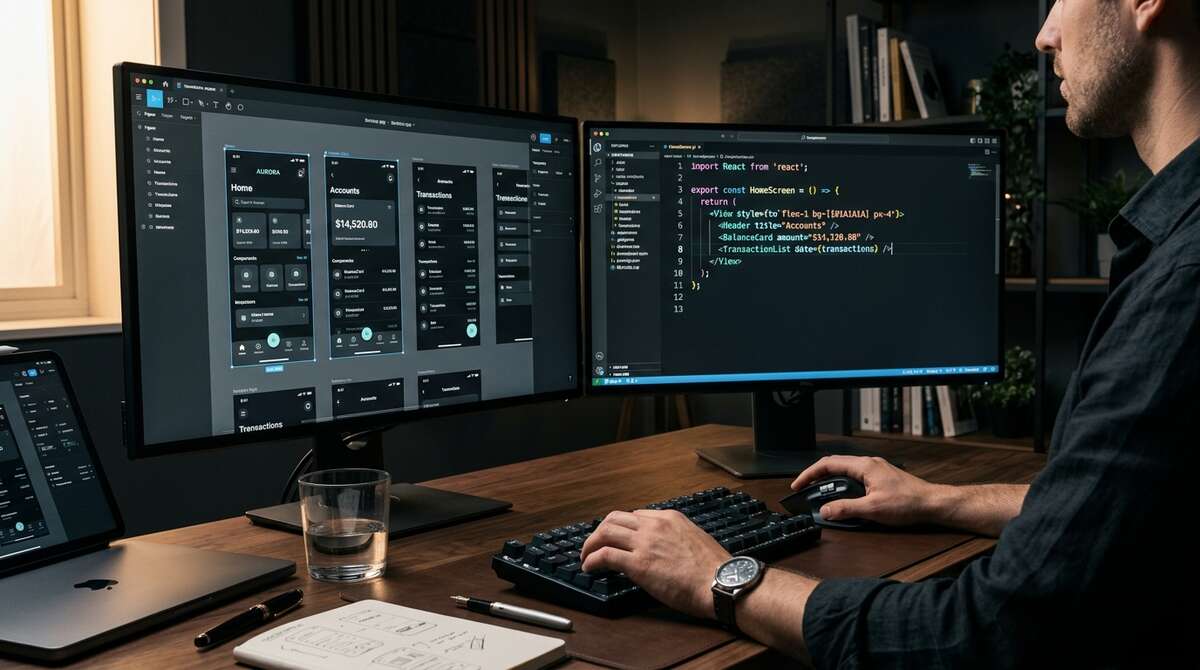
In our hospitality work at eLab Communications, we approach visual storytelling and UX as parts of the same system. The objective is not simply to create a beautiful website. It's to make the property desirable and make the next decision easy.
That means quickly answering the questions guests actually have: What is this place? Why should I choose it? Where is it? When is it open? What can I expect? And how do I reserve, book or contact someone?
Mobile-First Design Is the Real Front Door
For hospitality businesses, mobile design cannot simply be a smaller version of the desktop website.
Guests frequently interact with hospitality websites while they are already making a decision: looking for dinner that evening, comparing hotels from an airport, checking a menu from the car, finding directions or deciding where to stop while exploring a destination.
On the Monterey Peninsula, this behavior is especially easy to recognize. A visitor may be choosing a restaurant from a hotel room in Monterey, checking a menu while walking through Carmel, or comparing dining options shortly before dinner.
The mobile experience needs to reflect that immediacy.
Phone numbers should be tappable. Directions should be easy to reach. Reservation and booking actions should remain prominent. Hours shouldn't be buried three screens deep. Images and video need to perform well even when the guest isn't on a fast Wi-Fi connection.
This is why eLab Communications approaches website design and development as a responsive experience from the beginning rather than treating mobile optimization as a final production step.
Make the Next Step Obvious
Every hospitality website has conversion points, but those conversion points differ by business.
For a restaurant, the primary actions might be Reserve a Table, View the Menu, Get Directions and Plan a Private Event.
For a hotel or resort, they may be Check Availability, Book Your Stay, Explore Rooms and View Amenities.
For a destination or attraction, the path may lead toward Plan Your Visit, Buy Tickets or Explore Things to Do.
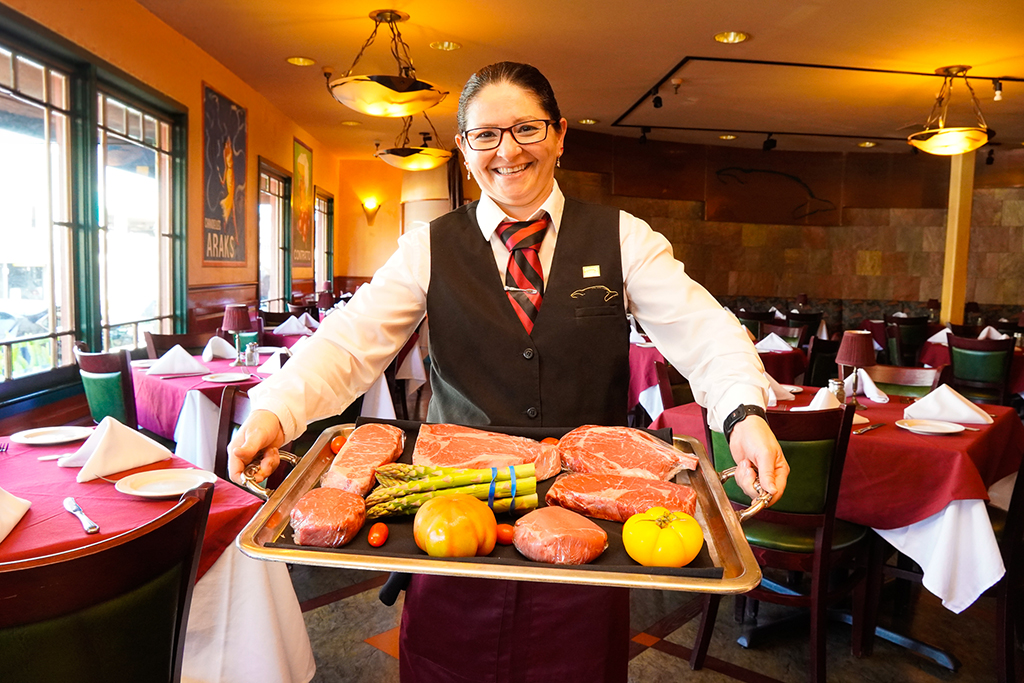
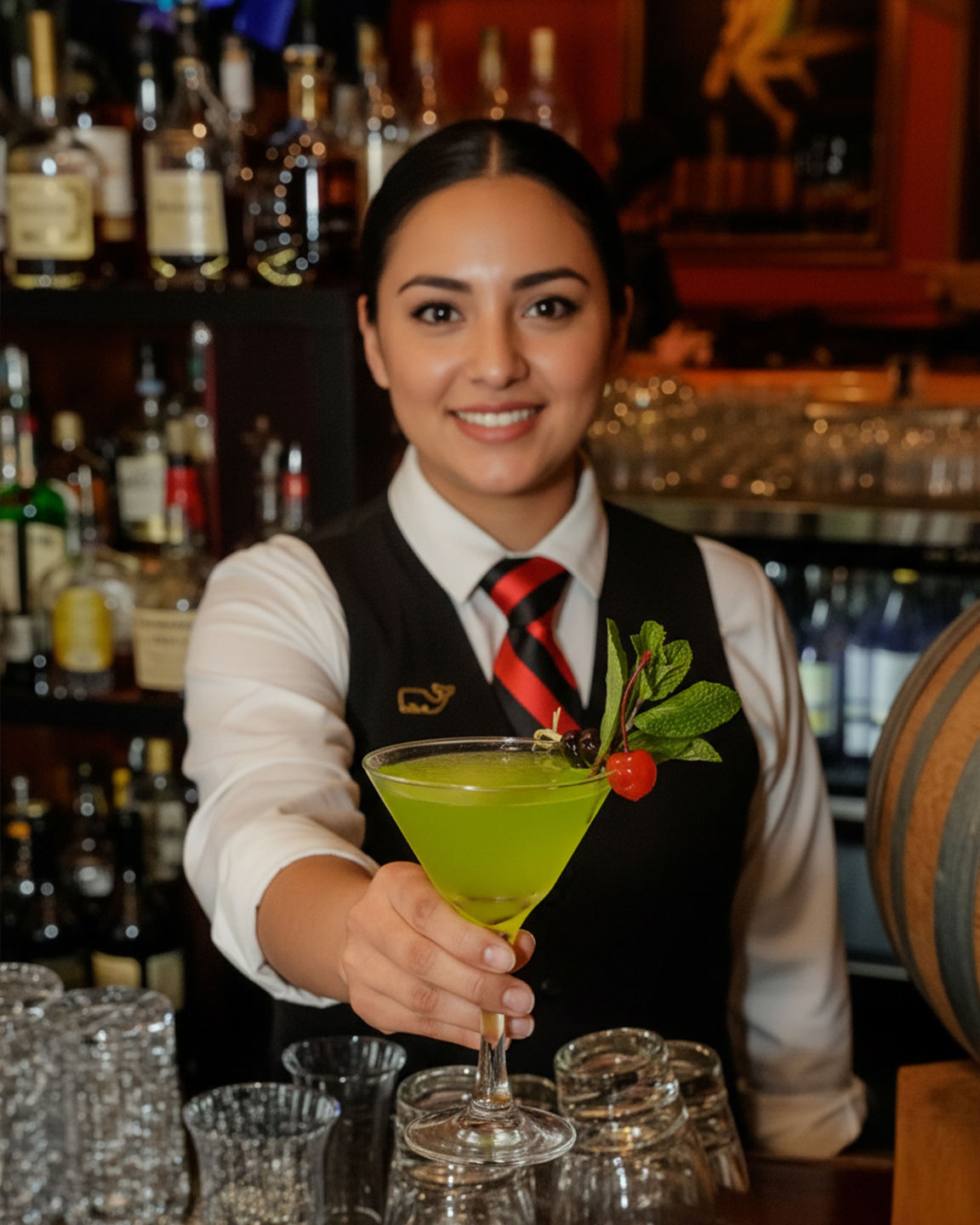
Our work with restaurant clients such as Beach House at Lovers Point and Whaling Station reinforces how important this hierarchy is. Guests may be visiting for very different reasons—from checking tonight's menu to planning a group dinner—and the website needs to make those paths easy to identify without overwhelming the primary dining experience.
A website doesn't need a button after every paragraph. It needs a clear understanding of what visitors are trying to accomplish and a frictionless path to get them there.
Menus Should Work Like Web Content, Not Attachments
One of the most practical improvements a restaurant can make is also one of the least glamorous: treat the menu as actual website content.
A PDF may still be useful as a downloadable or printable option, but it should not be the only way guests can view a menu.
HTML-based menus are easier to read on phones, easier to update, more accessible to assistive technologies and easier for search engines to understand. They also give restaurants greater control over presentation without forcing guests to pinch, zoom or download a document.
The same principle applies to other frequently changing hospitality information. If guests depend on it, it should be easy to access and maintain.
Reservations Should Feel Native to the Experience
Reservation technology is essential, but the integration deserves attention.
Platforms such as OpenTable, Resy and Tock can handle important booking functionality, yet the guest experience still begins on the hospitality brand's website.
A reservation button should be easy to find and clearly labeled. Embedded widgets should be tested carefully across screen sizes. Third-party scripts should also be evaluated for performance so they don't unnecessarily slow down the rest of the page.
The goal is for the transition from inspiration to reservation to feel natural—even when another platform ultimately processes the booking.
The same thinking applies to hotel booking engines, ticketing systems, private-dining inquiries and other third-party integrations.
Your Content Should Answer Real Guest Questions
Hospitality websites often contain far more operational information than they appear to.
Restaurants may need menus, dietary information, hours, parking details, private dining, events and seasonal offerings. Hotels may need room information, policies, amenities, dining, spa services, transportation, packages and local recommendations. Destinations may involve dozens or hundreds of experiences, businesses, events and points of interest.
That information needs intentional content architecture.
A visitor shouldn't need to understand how the organization is structured internally to find what they need. Navigation, page hierarchy and calls to action should reflect the guest's intent instead.
A Restaurant and Hotel CMS Is Part of the Guest Experience
Content management may sound like a back-office issue, but in hospitality it directly affects what guests see.
Hours change. Menus change. Packages expire. Events are added. Photography gets refreshed. Seasonal information comes and goes.
If every update requires a developer—or if staff are afraid they'll break the website—the information presented to guests eventually becomes stale.
In the restaurant websites eLab Communications develops, we've increasingly used structured administrative controls for information that changes regularly. Rather than forcing someone to redesign a page to update a menu, gallery, promotion or event, the CMS can provide controlled fields for the content the team actually needs to manage.
This preserves design consistency while giving the business practical control over its own website.
Photography and Video Should Create Desire—Without Slowing Everything Down
Few industries depend on imagery as heavily as hospitality.
Professional food and beverage photography, property imagery and video can communicate atmosphere, quality and experience in ways copy alone cannot.
But media needs to be engineered as carefully as it is produced.
Oversized images, unnecessary video downloads and poorly optimized galleries can turn a beautiful website into a slow one, particularly on mobile. Modern hospitality sites should use appropriately sized responsive images, efficient formats, poster images, thoughtful video loading and performance-conscious animation.
The objective is to deliver visual impact and speed together.
Hospitality SEO Starts With More Than Keywords
A beautiful website provides limited value if potential guests cannot discover it.
For hospitality businesses, SEO and search visibility involves more than placing geographic phrases into headings. Technical SEO, local relevance, content architecture, structured data, page performance and accurate business information all contribute to how search engines understand a property.
Structured data can help describe entities and content more explicitly. Depending on the business and page, relevant Schema.org types may include Restaurant, Hotel, LocalBusiness and Event, along with other applicable properties and content relationships.
Local consistency matters as well. Hours, address, phone information and other important business details should agree with the property's Google Business Profile and other authoritative listings. A website that says one thing while Google shows another creates unnecessary uncertainty for both guests and search engines.
For hotels and destinations, useful local content can also connect the property to the questions travelers are actually researching before and during a trip.
SEO works best when it influences website architecture from the beginning rather than being added as a list of keywords after the design is finished.
Accessibility Is Part of Hospitality
Hospitality is about welcoming people. The digital experience should reflect that.
Readable typography, appropriate contrast, keyboard navigation, meaningful alternative text, semantic page structure and accessible forms make websites easier to use for people with different abilities.
Many accessibility practices improve usability for everyone. Clear headings make a page easier to scan. Strong contrast helps someone viewing a phone outdoors. Proper form labels make reservation and inquiry experiences easier to understand.
Accessibility should therefore be part of good UX from the beginning—not a separate layer applied at the end.
Measure What Guests Actually Do
Launching a website isn't the end of the process.
Analytics can help answer practical questions: Are people reaching the reservation system? Which pages influence inquiries? Are mobile visitors abandoning an important page? Which content attracts visitors through search? Are guests engaging with menus, galleries, directions or private-event information?
Those answers can guide future improvements.
Hospitality businesses evolve constantly. Their websites should be capable of evolving with them.
The Best Hospitality Websites Feel Effortless
Guests should notice the restaurant, hotel, resort or destination—not the complexity of the technology supporting it.
Strong hospitality websites combine brand storytelling, photography, performance, search visibility, accessibility, intuitive content architecture and clear conversion paths into one cohesive experience.
Beautiful gets attention. Useful turns that attention into action.
The best hospitality websites never force a business to choose between the two.
Planning a Hospitality Website?
eLab Communications brings decades of experience across hospitality, tourism, content production and digital development. We combine strategy, UX/UI, content architecture, photography, video, SEO and modern web development to create hospitality websites designed around the guest experience.

Will Elkadi
Founder, CEO & Executive Producer
Will Elkadi leads eLab Communications across digital experiences, content, technology and growth.
About Will